


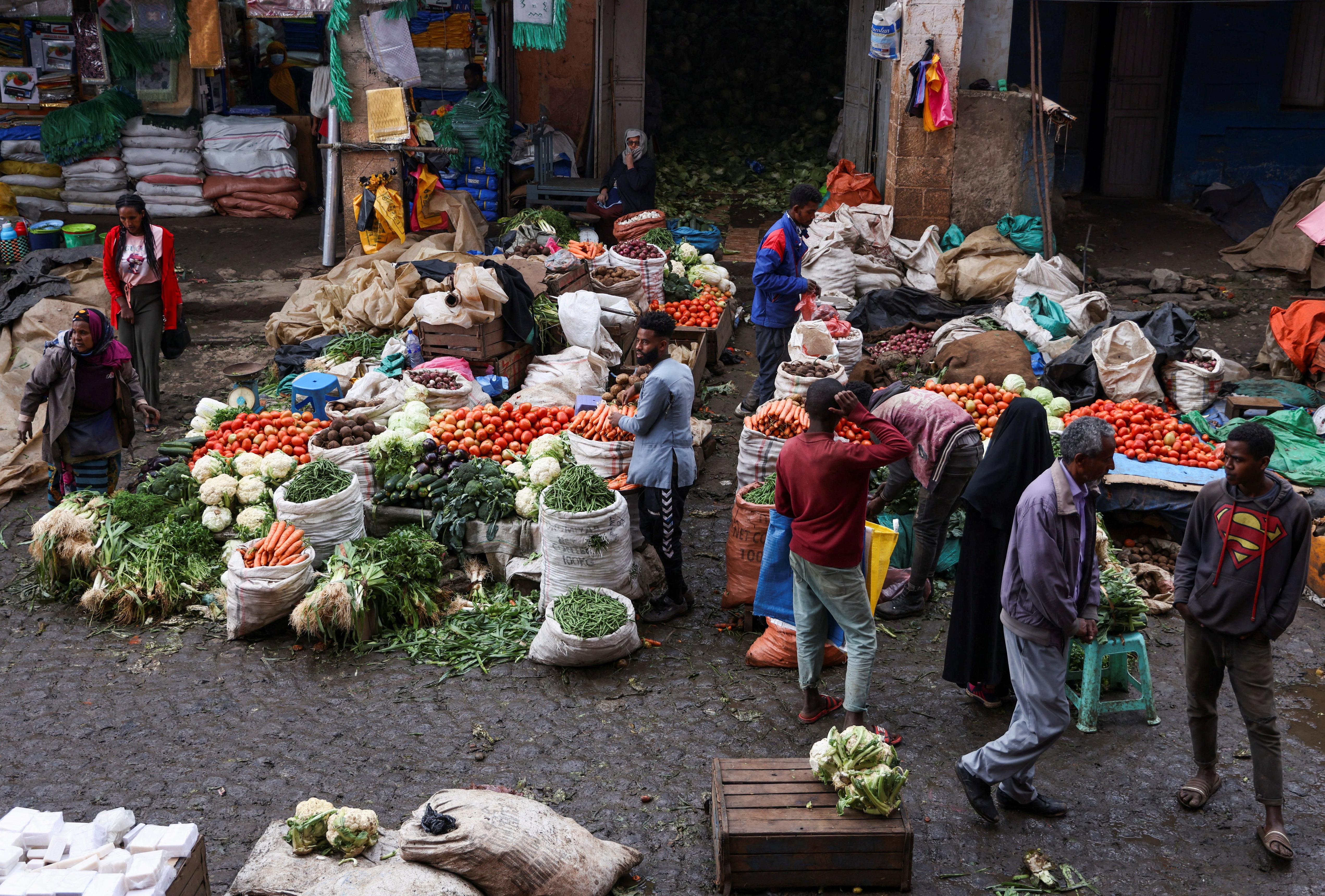
Ethiopia’s Inflation Rises to 15.3% as Sugar and Coffee Prices Surge
ADDIS ABABA — Ethiopia’s annual inflation rate rose to 15.3% in July 2026, up from 13.9% in June, as households faced higher prices for food, transport, education and other essential goods and services, according to the Ethiopian Statistical Service (ESS).
The latest figures mark a renewed acceleration in inflation after the rate fell to 9.7% in December 2025. It has since climbed steadily, reaching 13.4% in May, 13.9% in June and 15.3% in July.
Food and non-alcoholic beverage inflation increased to 15.7%, compared with 15.1% in June, while non-food inflation rose more sharply from 12.2% to 14.8%.
Some everyday products recorded price increases far above the headline inflation rate.
Sugar, jam, honey and chocolate recorded the largest increase among major food categories, rising 39.4% from a year earlier. Non-alcoholic beverages and coffee increased by 33%, while meat prices climbed 21.6%.
Oils and fats rose 20.3%, fruit increased 19.2%, and milk, cheese and eggs were up 18.9%. Vegetable prices increased 13.6%, while bread and cereals rose 8%.
Price pressures also spread across non-food categories.
Education costs increased 25.3% year-on-year, while transport rose 15.6%. Restaurants and hotels increased 15.3%, clothing and footwear rose 15%, and housing, water, electricity, gas and other fuels increased 13.3%.
The monthly figures also showed a noticeable acceleration.
Overall consumer prices increased 2.6% between June and July, compared with a monthly increase of just 0.9% in June.
Food and non-alcoholic beverages increased 2.2% during the month, while non-food prices rose 3%. Meat prices climbed 4.4% in July alone, while coffee and other non-alcoholic beverages increased 3.2%.
The renewed increase comes as Ethiopia continues implementing broad economic reforms, including changes to its foreign exchange system.
The ESS has linked longer-term pressure on non-food prices partly to the depreciation of the Ethiopian birr and higher international fuel prices, noting that many goods sold in Ethiopia are imported or depend on imported raw materials.
Despite July’s acceleration, inflation remains considerably below the levels recorded during some recent years, when annual inflation exceeded 30% in several months.
The 12-month moving average inflation rate stood at 11.9% in July, according to the ESS.
The agency has also expanded its inflation survey, collecting prices from 200 markets across Ethiopia, up from 120 previously, in an effort to make its national price measurements more representative.
For Ethiopian households, however, July’s figures show renewed pressure on purchasing power, particularly as several frequently purchased products are rising much faster than the overall inflation rate.
With sugar prices up nearly 40% and coffee and other non-alcoholic beverages up around one-third from a year earlier, controlling the renewed rise in living costs could become an increasingly important challenge for Ethiopia’s economic reform program.